


-
Barbie Doll DreamCamper Van Playset with Pets, Pool, Slide & Accessories, Toys For Ages 3 Years Old & up
Regular price Rs. 5,500.00 INRRegular price -


Barbie Dreamhouse Pool Party Doll House and Playset with 75+ Pieces, 45 in, Slide & Puppy Elevator
Regular price Rs. 17,000.00 INRRegular price -
Expo 8pk Dry Erase Markers Chisel Tip Multicolored: Whiteboard & Office Supplies, Low-Odor, Bold & Fine Point, Ages 3+
Regular price Rs. 632.00 INRRegular priceRs. 766.00 INRSale price Rs. 632.00 INRSold out -
Paper Mate Ink Joy 300RT 8pk Ballpoint Pens 1.0mm Multicolored: Retractable, Quick Drying, Rubber Grip, Colorful Ink
Regular price Rs. 436.00 INRRegular priceRs. 522.00 INRSale price Rs. 436.00 INRSold out -
Paper Mate Profile 8pk Ballpoint Pens 1.4mm Bold Tip Multicolored: Colorful, Quick Drying, Retractable, Contoured Grip
Regular price Rs. 367.00 INRRegular priceRs. 453.00 INRSale price Rs. 367.00 INRSold out -
Pop Mart CRYBABY Wild but Cutie Series Vinyl Plush Pendant Sealed Case (6 Blind Box), from StockX
Regular price Rs. 9,140.35 INRRegular price -


Pop Mart CryBaby x Powerpuff Girls Series Vinyl Face Plush Sealed Case (6 Blind Boxes), from StockX
Regular price Rs. 11,142.00 INRRegular price -


Pop Mart Labubu The Monsters Exciting Macaron Vinyl Plush Pendant Single Blind Box, from StockX
Regular price Rs. 7,222.58 INRRegular price -
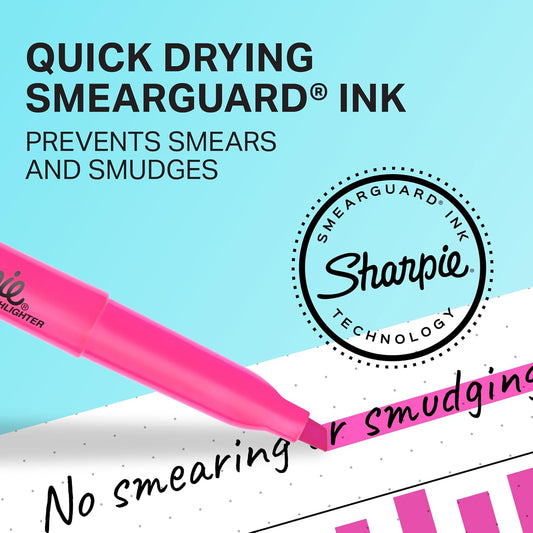
Sharpie 4pk Highlighters Smear Guard Chisel Tip Multicolored: Bold Highlighters Markers for School & Office, 3+ Years
Regular price Rs. 199.00 INRRegular priceRs. 250.00 INRSale price Rs. 199.00 INRSold out -
Sharpie Clear View 3pk Highlighters Chisel Tip Multicolored: Quick Drying Markers for School Supplies Kids
Regular price Rs. 359.00 INRRegular priceRs. 499.00 INRSale price Rs. 359.00 INRSold out -
Sharpie Pocket Highlighters, Chisel Tip, Assorted Colors, 24 Count - Back to School, Office, Teacher Supplies
Regular price Rs. 459.00 INRRegular price -
Smead Hanging File Folder, 1/5-Cut Adjustable Tab, Letter Size, Standard Green, Hanging Folders for Filing Cabinets, File Organizer Folder, 50 Count
Regular price Rs. 0.00 INRRegular price -
YOCWO 42.51" Oval Sideboard Buffet Cabinet with Tambour Sliding Door,Oval Curved Fluted Sideboard with Open Shelf, Buffet Storage Cabinet for Dining Room Living Room Entryway, Black
Regular price Rs. 0.00 INRRegular price





Blog posts
Why Choose Us
We're committed to providing the best experience
Fast Delivery
Quick shipping on all orders
Secure Payments
100% secure transactions
Easy Returns
Hassle-free return policy
24/7 Support
Always here to help you
Quality Guarantee
Premium quality products